
At the Helm of a Bare-Metal Kubernetes Cluster
In the ever-evolving landscape of container orchestration, my journey has recently taken me to uncharted territories – steering a bare-metal Kubernetes cluster. Having previously navigated the realm of Kubernetes on various cloud platforms such as AWS ECS, AWS App Runner, GCP GKE, and GPC Cloud Run, the transition to a bare-metal setup brought forth a new set of challenges and learning experiences.
Deepening Understanding
Investing in knowledge is pivotal in the tech world. Recently, I delved deep into a Kubernetes course that significantly broadened my understanding of containers and their orchestration. This foundation became instrumental as I embarked on the path of setting up a bare-metal Kubernetes cluster.
From Local Development to Production
Building the cluster began with Minikube on my local machine, allowing me to fine-tune configurations and gain insights into the intricacies of Kubernetes. Transitioning to production involved configuring servers to run a bare-metal Kubernetes using kubeadm – a process that demanded meticulous attention to detail.
## Navigating Input and Load Balancing
One of the initial hurdles was realizing the necessity of a load balancer for the Ingress resource. Initially, the assigned IP to the Ingress seemed deceptive, leading to days of debugging before the role of MetalLB became clear. This challenge became a pivotal learning point in my Kubernetes journey, emphasizing the importance of understanding the underlying infrastructure.
## Network Migration – A Transformational Challenge
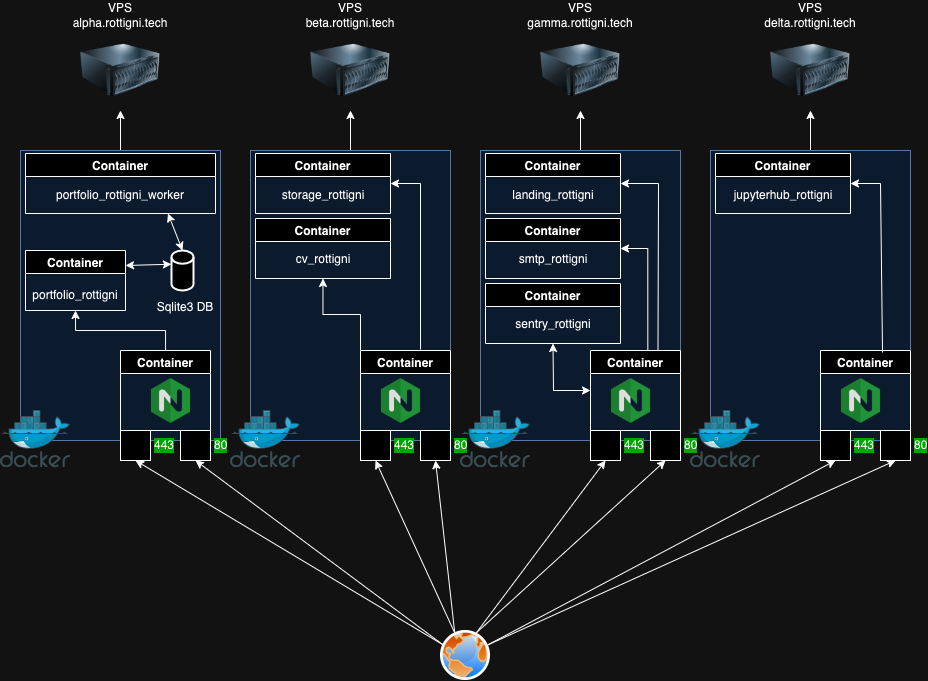
The migration from a Docker and Nginx setup to a Kubernetes production cluster introduced a plethora of complexities. Exploring Kubernetes Persistent Volumes (PV), Persistent Volume Claims (PVC), CronJobs, Secrets, and more became essential components of this network migration puzzle. Each aspect demanded experimentation, dedicated debugging, and a resilient mindset.
Container Runtime Interface
In the pursuit of optimizing performance and stability on the production cluster, deliberate choices were made regarding the Container Runtime Interface (CRI) and the adoption of containerd. These decisions, alongside the implementation of the weave-daemonset, significantly contributed to the seamless functioning of the bare-metal Kubernetes environment. The careful selection of these tools played a pivotal role in achieving the desired operational efficiency without compromising stability.
Bare-Metal: A Conscious Shift in Control
The decision to venture into a bare-metal Kubernetes cluster wasn't arbitrary. It stemmed from a desire for greater control, enhanced performance, and a deeper understanding of the Kubernetes architecture. It was a conscious choice to move beyond the abstractions of cloud providers and take ownership of the infrastructure.
In conclusion, steering a bare-metal Kubernetes cluster has been a transformative journey. From education to hands-on experience, each step has been a building block in the edifice of knowledge. Challenges turned into opportunities for growth, and the result is a robust, self-managed Kubernetes environment that reflects both the trials and triumphs of the journey.
The cluster: